
Now Accepting Online Bookings!
New Mexico's Plumbing, Boiler and HVAC Experts

How and When to Change Home Filters in New Mexico – Essential Maintenance Tips
Learn when and how to change HVAC, refrigerator, and water filtration filters in your New Mexico home. Follow our easy maintenance guide to improve air and water quality, prevent system problems, and keep your equipment running smoothly.
Matthew Waller
6/30/20268 min read
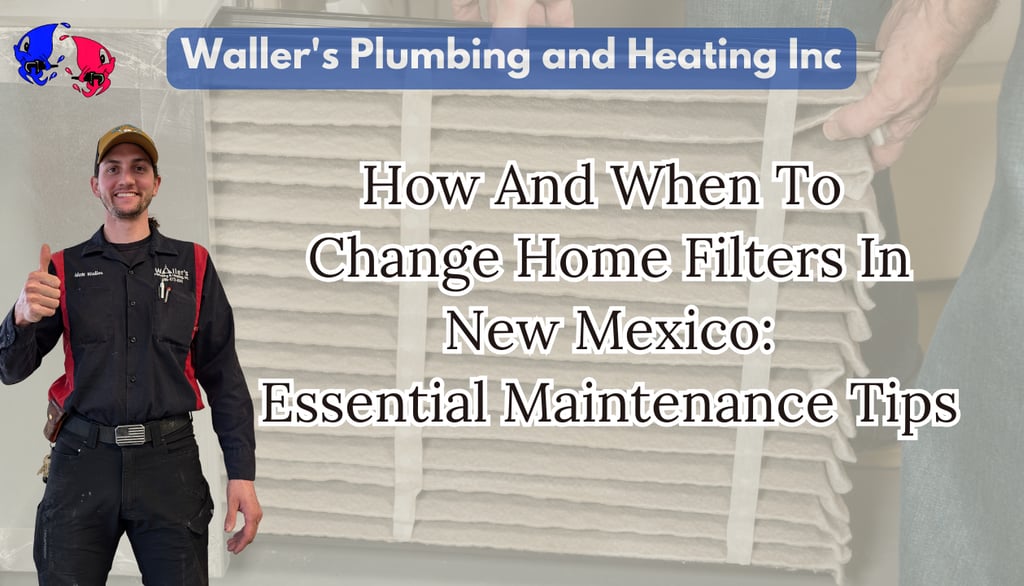

If you live in New Mexico, your home’s filters work harder than you may think. Desert dust, spring winds, dry air, and hard water can clog filters faster, reduce system efficiency, and shorten the life of important equipment. A filter that might last longer in another state often needs more attention here.
This guide is for New Mexico homeowners who want a simple, practical plan for keeping filters up to date. You’ll learn which household filters matter most, how often to change them, how to safely change an HVAC air filter, and what warning signs tell you a filter should not wait. If you stay ahead of these small tasks, you can protect indoor air quality, improve water quality, and help your systems last longer.
Why Filter Changes Matter More in New Mexico
New Mexico homes deal with conditions that put extra strain on air and water systems. Dust storms, windy days, and dry conditions can load HVAC filters with debris fast. Hard water can also wear down water filtration components and reduce how well they work over time.
That means filter maintenance is not just a nice habit. It is basic home care. Clean filters help your systems run with less stress, use less energy, and deliver better performance where you notice it most: the air you breathe and the water you use every day.
Here are a few local reasons this matters:
Heavy desert dust can clog HVAC filters faster than expected
High winds push dirt and debris into outdoor and indoor systems
Hard water can affect water softeners and water filtration systems
Long cooling seasons can make HVAC systems run more often
Dry air and allergens can make indoor air quality more important for comfort
A simple filter schedule can help you avoid bigger problems later.
What Filters Should Homeowners Change Regularly?
Most homeowners think first about the HVAC filter, but that is only part of the picture. Several common household systems rely on clean filters to work well.
The main filters to watch are:
HVAC air filters
Refrigerator water filters
Water softener or whole-home water filtration filters
Each one has a different purpose, a different replacement timeline, and different signs that it needs attention.
HVAC Air Filters: Your First Line of Defense Against Dust
HVAC air filters help trap dust, pollen, pet dander, and other particles before they move through your heating and cooling system. In New Mexico, that job gets harder because of windblown dust and dry conditions.
A dirty HVAC filter can restrict airflow, make your system work harder, and reduce indoor air quality. In some cases, it can even lead to higher utility bills, poor comfort, and added wear on the blower motor or other parts.
When to Change HVAC Filters
For most New Mexico homes, HVAC filters should be checked more often than national averages suggest.
A good rule of thumb is:
Every 30 days for homes with pets, allergies, heavy dust exposure, or frequent HVAC use
Every 60 days for average households with moderate HVAC use
Every 90 days for low-occupancy homes with minimal dust and light system use
In New Mexico, many homeowners will do best checking the filter monthly, especially during windy spring months and heavy summer cooling season.
Signs Your HVAC Filter Needs Changing Sooner
Do not rely only on the calendar. A filter may need replacement early if you notice:
Visible dust buildup on the filter
Weak airflow from vents
More dust collecting on furniture
Uneven cooling or heating
Higher energy bills
More allergy symptoms indoors
If the filter looks gray, clogged, or packed with debris, change it.
How to Change an HVAC Filter Safely
Changing an HVAC filter is one of the easiest home maintenance tasks, but it still helps to do it the right way. A badly installed filter can reduce performance or let dust bypass the filter entirely.
Step 1: Turn Off the HVAC System
Start by turning off your heating or cooling system at the thermostat. This helps protect the system while you remove and replace the filter.
Step 2: Find the Filter Location
Most HVAC filters are located in one of these spots:
Behind a return air grille in a wall or ceiling
Inside a slot near the air handler
At the furnace unit
If you are not sure where yours is, check your owner’s manual or look for the return side of the system.
Step 3: Remove the Old Filter
Slide the old filter out carefully. Try not to shake it too much, since that can release dust back into the air.
Before you throw it away, look at the size printed on the frame. You can also take a quick photo so you buy the same size and type next time.
Step 4: Check the Airflow Arrow
Every HVAC filter has an airflow arrow printed on the frame. This arrow must point in the direction of airflow, which is usually toward the furnace or air handler.
This is a common homeowner mistake. If the arrow points the wrong way, the filter will not work as intended.
Step 5: Insert the New Filter
Slide the new filter into place so it fits snugly. Do not force it. It should sit evenly without bending or gaps around the edges.
Step 6: Turn the System Back On
Once the filter is in place, turn the system back on at the thermostat. Check that airflow feels normal.
Step 7: Set a Reminder for the Next Change
This step is easy to skip, but it makes a big difference. Mark the next replacement date on your calendar or phone. Some homeowners also write the install date on the filter frame.
Common HVAC Filter Mistakes to Avoid
A few small mistakes can reduce the benefit of a new filter:
Using the wrong filter size
Installing the filter backward
Waiting until the filter is fully clogged
Choosing a filter rating your system is not designed for
Forgetting to check the filter during dusty months
If you are unsure which filter your system needs, a professional can help you choose the right one.
Refrigerator Water Filters: Cleaner Water Starts Here
Your refrigerator water filter improves the quality of the water and ice coming from your fridge. It can help reduce sediment, chlorine taste, and other unwanted particles. But once that filter reaches the end of its life, it becomes less effective and may slow water flow.
In New Mexico, hard water and mineral content can make timely replacement more important. If the filter stays in too long, you may notice changes in taste, odor, or dispenser performance.
When to Change Refrigerator Water Filters
Most refrigerator manufacturers recommend changing the water filter:
Every 6 months under normal use
You may need to replace it sooner if:
Your household uses a lot of filtered water
Your water has heavy mineral content
The water dispenser slows down
The ice tastes or smells different
The refrigerator filter indicator light comes on
If your home has especially hard water, sticking to the six-month schedule is wise.
Signs the Refrigerator Filter Needs Attention
Watch for these signs:
Water tastes different
Ice smells odd
Water flow is slower than normal
The filter light is on
Water looks cloudy
These are practical signs that the filter may no longer be doing its job well.
Water Softener and Water Filtration Filters: Important in Hard Water Areas
Many New Mexico homeowners deal with hard water, which means higher levels of minerals like calcium and magnesium. Hard water can leave scale on fixtures, affect appliances, and make soaps and detergents work less well.
Water softeners and whole-home filtration systems help address those issues, but they also need regular maintenance. Depending on the system, that may include sediment pre-filters, cartridge filters, or media replacement.
When to Change Water Softener or Filtration Filters
The right schedule depends on the type of system you have, but these general timelines are common:
Sediment pre-filters: every 3 to 6 months
Cartridge filters in whole-home filtration systems: every 6 to 12 months
Reverse osmosis pre- and post-filters: about every 6 to 12 months
Water softener resin or specialty media: based on manufacturer guidance and system condition, often measured in years, not months
If your home has very hard water or heavy sediment, replacement may need to happen more often.
Signs Water Filtration Filters May Need Replacement
Check for signs such as:
Reduced water pressure
Changes in water taste or smell
Visible sediment
Soap not lathering well
Hard water spots getting worse
The system not keeping up like it used to
If you notice these changes, the filter or system may need service before the standard replacement date.
A Simple “When to Change” Filter Schedule for New Mexico Homes
This quick schedule gives homeowners a practical starting point.
HVAC Air Filter
Change every 30 to 90 days
In New Mexico, check monthly
Replace sooner with pets, allergies, or heavy dust exposure
Refrigerator Water Filter
Change every 6 months
Replace sooner if flow slows or taste changes
Water Softener Sediment or Pre-Filter
Change every 3 to 6 months
Replace sooner in homes with heavy sediment or very hard water
Whole-Home Water Filtration Cartridge
Change every 6 to 12 months
Follow manufacturer recommendations and local water conditions
This kind of schedule helps reduce guesswork and gives you a clear routine.
How Do You Know If You’re Waiting Too Long?
Some homeowners wait until there is an obvious problem, but by then the system may already be working harder than it should. A clogged filter often causes gradual decline, not sudden failure.
You may be waiting too long if:
Your HVAC system runs longer than usual
Indoor dust seems constant
Water pressure has dropped
Water or ice quality has changed
Equipment seems less efficient
Utility costs have gone up for no clear reason
Small signs matter. Filters are low-cost maintenance items, and replacing them on time is often much cheaper than dealing with avoidable repairs.
Should You Buy Filters in Bulk?
For many homeowners, yes. Buying common replacement filters in advance can make regular maintenance much easier.
This works especially well for:
HVAC filters you change every 30 to 60 days
Refrigerator filters used on a set six-month schedule
Water filtration cartridges with predictable replacement dates
Just be sure you buy the correct size and model. A box of the wrong filter is not a bargain.
Common Homeowner Questions
What if my HVAC filter still looks clean?
It may still be collecting fine dust you cannot easily see. In New Mexico, monthly checks are still smart because dry dust can build gradually and affect airflow before the filter looks completely clogged.
Can I use any HVAC filter from the store?
No. The filter must match your system’s size requirements, and the filter rating should fit what your equipment can handle. If you use a filter that is too restrictive, airflow can suffer.
What if I forget the replacement schedule?
Set phone reminders, label the filter with the install date, or tie changes to simple calendar points like the start of each season. A system only works if it is easy to follow.
Do water softeners and water filters need professional service?
Often, yes. Some systems are simple, but others need periodic inspection, cleaning, or correct media replacement. If you are unsure what your system needs, professional maintenance can help prevent damage and poor performance.
When Professional Help Makes Sense
Some filter changes are easy DIY tasks. Others are tied to larger maintenance needs. If your HVAC system still struggles after a filter change, or your water system is showing signs of hard water problems despite a new filter, it may be time for a professional inspection.
Waller's Plumbing and Heating has 37+ years of local experience serving New Mexico homeowners. That local knowledge matters when dealing with desert dust, high winds, and hard water conditions that affect system performance across the state. Professional maintenance can help you choose the right filters, keep equipment running efficiently, and catch small issues before they grow.
Changing filters on time is one of the simplest ways to protect your home in New Mexico. HVAC air filters, refrigerator water filters, and water softener or filtration filters all play a big role in comfort, air quality, water quality, and equipment life. Because local conditions are tougher on these systems, regular checks and timely replacement matter more here than many homeowners realize.
Start with a simple schedule, check filters before they become heavily clogged, and do not ignore early signs of reduced performance. If you want help with HVAC maintenance or water system service, Waller's Plumbing and Heating can provide experienced support backed by more than 37 years of serving New Mexico homeowners.
Connect With Us
Email: support@wallersplumbingandheating.com
Follow Us
Los Alamos & White Rock
Phone: (505) 672-3141
Rio Rancho & Surrounding areas
Phone: (505) 619-4386